
Disconnected Systems Cause Inefficiency, Noncompliance, Frustration
Long before cloud-based software and mobile applications became the norm, employers used separate systems to manage their data across payroll, HR, finance, and other business functions. These systems rarely communicated with each other, meaning the people who worked with the data were stuck with manual processes when it came to reconciliation or reporting.
Even though technology has evolved significantly, many organizations still rely on disconnected applications to manage operations. With all the technology and software available, companies have many options to choose from when picking a program to use for processing payroll. The same applies for benefits administration software, time and attendance systems, human resource management—the list goes on.
Each application can be effective on its own, but in today’s data-driven world, independent systems can mean inefficiency, noncompliance, and a frustrating employee experience.
 Power Comes When Systems Work Together
Integrated systems help bridge these gaps by allowing data to flow automatically between the different applications that an organization is using. One of the most noticeable advantages of integration is the reduction or elimination of manual data entry.
Without integration between payroll, benefits, and HR platforms, an employee’s information may need to be entered several times into multiple programs. Even if we ignore the obvious potential for data entry errors, there are many other problems that could stem from having disjointed systems.
Imagine running a report that incorporates data from multiple systems but having employee records that don’t align with each other because an address change was only recorded in the benefits administration system but not in payroll—or a change to an employee’s rate of pay is entered in payroll, but not updated with HR.
And when there are discrepancies between the data in different systems, how does the team know which system has the most accurate information? These issues can be eliminated by having systems that communicate with each other, which means information entered in one place automatically flows to the other connected systems.
Instant Validation
As payroll professionals, we all know that successful payrolls depend on information from multiple sources. Some of the required data includes benefit deductions, timekeeping information, and leave balances.
When these inputs come from separate systems that aren’t connected to payroll, the team may spend a significant amount of time validating the data before actually processing. Disconnected systems mean data is either hand-keyed or imported manually, which greatly increases the probability of errors.
Integrated systems can help streamline these processes by allowing information to be shared automatically between applications. For example, time records can flow directly into payroll, benefit deductions can be updated automatically after enrollments are completed, and approved leave requests can instantly be reflected in the appropriate pay periods.
Single Source of Truth
To be clear, this doesn’t eliminate the need for a payroll team to review and validate the data, but it does reduce the administrative effort and lower the likelihood of data entry and processing errors. In the ever-changing landscape of tax regulations, wage and hour rules, and numerous reporting and audit requirements that payroll professionals work in daily, integrated systems can also support compliance efforts by helping to ensure that consistent information is being used across the organization.
Instead of relying on multiple departments or individuals to make separate updates to each system, a single source of truth can result in more reliable reporting. Again, integration alone will not guarantee compliance, and organizations still need knowledgeable professionals, strong processes, and effective controls.
However, reducing the need for manual intervention and manipulation of data will help to minimize errors that could lead to greater compliance issues down the road. We all know that organizations deal with enormous amounts of information, especially in today’s data-driven environment.
 A Centralized Connection
Senior leaders are constantly looking for ways to make sense of and use the data to make better-informed decisions for their businesses. Connected systems make it easier for teams to focus on analyzing and understanding the data instead of spending valuable time standardizing, updating, or performing other “clean-up” activities on the various outputs they may be receiving from different systems.
Technology also shapes the employee experience and how employees interact with their employers. Because employees are accustomed to quick access and easy-to-use self-service tools in their personal lives, they expect the same convenience at work.
Whether reviewing pay stubs, updating personal information, or requesting time off, employees want a
seamless experience. Integrated systems make this possible by giving employees access to information through centralized platforms, rather than requiring them to log in to multiple applications and navigate different processes.
Integration Evolution
Accuracy, efficiency, and reliable data are arguably some of the most important aspects of a payroll professional’s work. Integrated systems can be critical in supporting productivity and effectiveness not just in payroll, but across the entire organization.
By improving data consistency, supporting compliance efforts, and enhancing the employee experience, connected systems allow organizations to operate more efficiently and make better use of their resources.
Technology continues to evolve, and employers will undoubtedly continue to adopt new tools and platforms to keep up with their changing needs. Regardless of how these technologies look, the truth is systems are most powerful when they work together.
Payroll teams today have access to a slew of offerings from a multitude of vendors. In fact, there are many all-in-one solutions available in the market today which combine payroll, HR, benefits, recruiting, and more into a single platform.
While no solution is perfect for every organization, the ability to share information across functions can reduce the administrative burden and greatly improve accuracy. Whether through a single system or a network of connected applications, the value of integration extends far beyond the technology itself and ultimately supports the people who make the organization successful.
Carney Kim, CPP, SHRM-SCP, is Payroll Manager at Alexander & Baldwin. He is a Vice-President of PayrollOrg’s Board of Directors and President of the Hawaii Chapter of PayrollOrg. He also serves on various PayrollOrg committees including Ask an Expert Committee, Board of Contributing Writers, and the Strategic Payroll Leadership Task Force (SPLTF) Best Practices and Small Employers’ Best Practices Subcommittees. He was also a guest on PayrollOrg’s “PayTalk” Podcast® (Episode 59 “Engineering Your Payroll Consulting Career”).
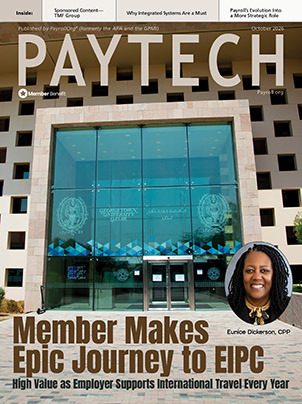 For more articles like this, read PAYTECH magazine (available in both printed and digital formats), free for PayrollOrg members!
PayrollOrg (PAYO), is the leader in payroll education, publications, and training. This nonprofit association conducts more than 300 payroll training conferences and seminars across the country each year and publishes a complete library of resource texts and newsletters. Representing more than 20,000 members, PAYO is the industry’s highly respected and collective voice in Washington, D.C. Get more information at www.payroll.org.
Not a member of PAYO? Check out the many benefits you get when you join!
